LEARN MY 4-STEP V-F-P-S METHOD & CRACK 50 LPA INTERVIEWS WITHOUT QUITTING YOUR CURRENT JOB
The pattern-first plan Bijaya Bhatta (IIT Delhi) has taught 2,000+ engineers, now in one ₹499 kit you can follow in 1–2 hours a day.
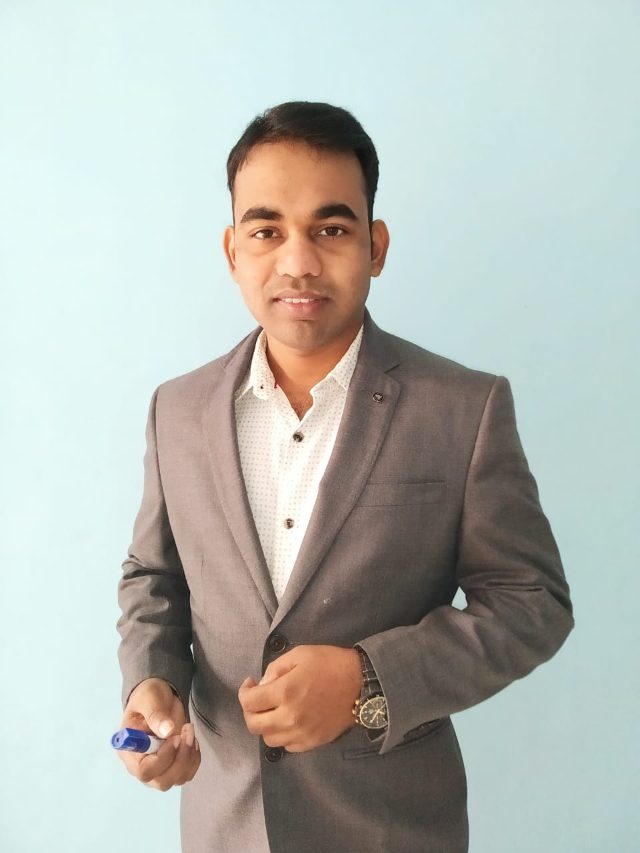


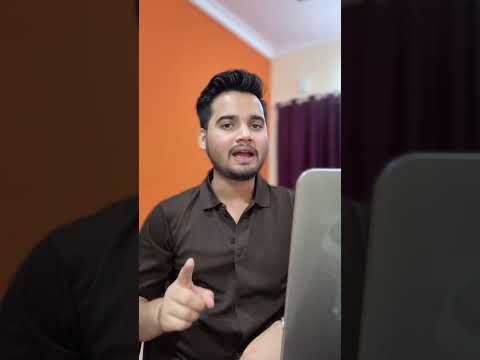
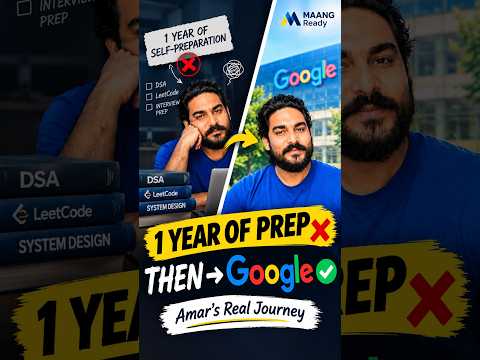

ENGINEERS WHO CRACKED IT WITH BIJAYA
Hear it from students directly.

300 PROBLEMS SOLVED. STILL BLANKING IN INTERVIEWS?
Bijaya has taught DSA since his research days at IIT Delhi. What he saw then still holds: most engineers aren't short on effort. They're short on structure.
STOP MEMORISING SOLUTIONS. START SPOTTING PATTERNS.
Interviewers change a problem slightly on purpose. If you've memorised the solution, that small change throws you. If you know the pattern (sliding window, two pointers, binary search on the answer, BFS/DFS, DP), you can work out the approach for a problem you've never seen.
4 STEPS TO 50 LPA INTERVIEWS, AROUND YOUR JOB
Get calls coming in first, then build the skills to clear the rounds.
BIJAYA BHATTA
Why I built the V-F-P-S Method
I'm Bijaya Bhatta, a backend engineer with 13+ years in Java, Spring Boot, microservices, Kafka and distributed systems.
My work with algorithms started at IIT Delhi, where I did algorithms research and published multiple papers. I also started teaching students there. Most of the students who struggled were working hard. They just had no structure.
Later I worked at product companies in multiple countries, where I saw first-hand what top companies look for in interviews.
Since then I've trained 2,000+ students around the world in DSA and system design, and many of them have cracked MAANG and other top product companies. I built MAANGReady to give every engineer, whatever their college or current company, the clear, pattern-based roadmap I wish I'd had.



THE V-F-P-S STARTER KIT: ₹499
WHAT 1–2 HOURS A DAY GETS YOU
Your LinkedIn profile is rebuilt, you have 100 target companies, and you know what to study every week.
You've implemented every core data structure yourself, and core-topic problems feel manageable.
You think in patterns. New problems stop causing a freeze, and you start interviewing.
You can take a system design round through requirements, estimation, high-level design, deep dive and trade-offs.
Results depend on the effort you put in. The kit gives you the plan and the skills.
BUILT FOR ENGINEERS WITH A FULL-TIME JOB
BEFORE YOU ASK...
Yes. The V-F-P-S Method is built for 1–2 hours on weekdays and 3–4 hours on weekends.
Free content is scattered, and you spend more time deciding what to study than studying. This is one ordered plan, so you don't lose months.
Fewer than you think, if you learn them by pattern. The kit uses 30 must-do problems chosen to teach the patterns, then has you practise by pattern.
The videos and notes take 2–3 weeks to finish, not 200 hours. After that, the roadmap tells you what to do each week.
Interviews test patterns and problem-solving, and both can be learned. Bijaya built MAANGReady for engineers whatever their college or current company.
No. The kit is built for working engineers with up to 10 years of experience.
Yes, if your profile shows it right. The V in V-F-P-S is fixing your LinkedIn so recruiters see product-company potential.
For SDE-2 and above, yes. The System Design Interview Playbook covers the frameworks those rounds use.
The kit comes from an IIT Delhi algorithms researcher with 13+ years in the industry who has trained 2,000+ students. It covers the whole journey that ₹1–3 lakh programs charge for.
Top companies still hire. The bar is higher, which is exactly why structured preparation matters.
Pre-recorded videos plus short, structured notes, so you can learn on your own time. You can finish them in 2–3 weeks; the roadmap then tells you what to do each week.